Villa Lighting After Sunset: Entry, Patio, and Façade Scenes That Work Together
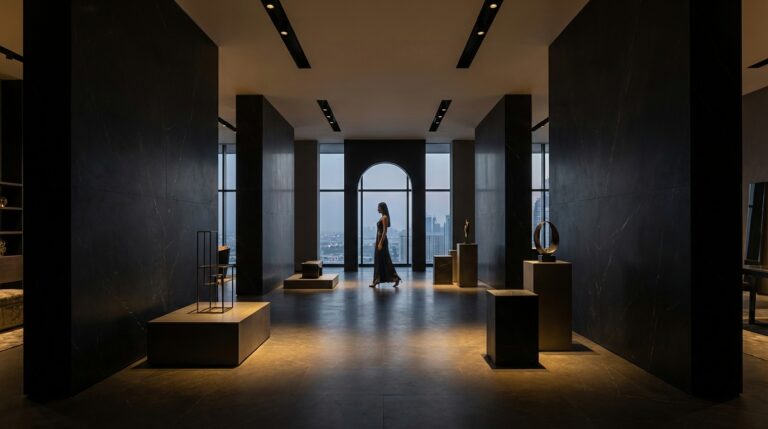
A car entering the driveway after sunset should read a clear sequence: gate, path, entry, foyer, then interior mood. Villa lighting is not a set of bright fixtures; it is arrival choreography, much like lighting and arrival sequence in a luxury showroom setting can shape perception before the main interior is experienced.
How should a villa lighting plan move from driveway arrival to interior ambience?
A villa lighting plan should guide the eye from driveway to door, then step brightness down into the foyer and entertaining rooms. Safety, wayfinding, façade presence, and interior ambience should read as one system.
- Driveway and gate: use low, shielded light for orientation and turning.
- Path and steps: mark edges, level changes, and planting borders without glare.
- Entry door: make the door, threshold, handle, and house number the brightest welcome point.
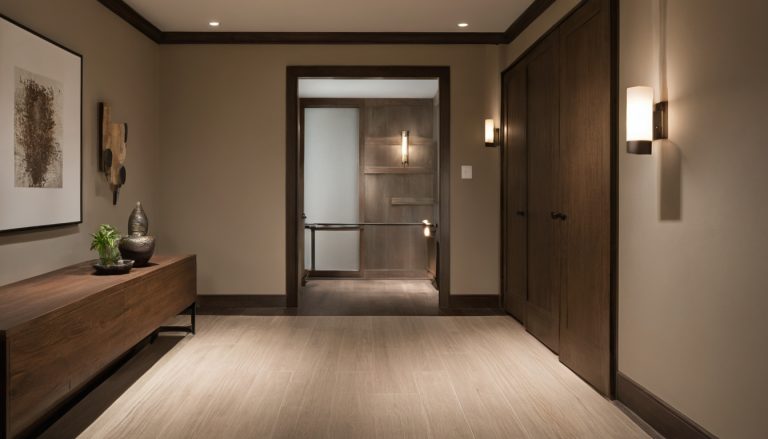
- Foyer: reduce brightness so finishes, art, and decorative fixtures feel calm.
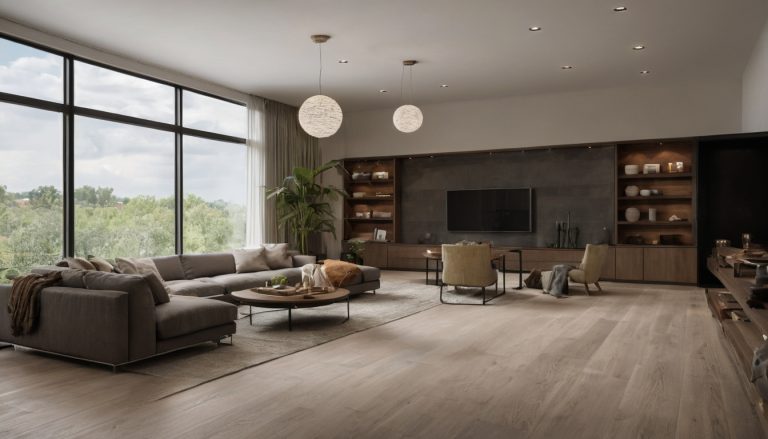
- Living and dining areas: let lamps, coves, pendants, and wall washing carry the mood.
The entry should be the brightest welcome point, not the whole façade
The entry zone should win the hierarchy because guests need to find the door and know where to pause. DarkSky International says outdoor light should be aimed only where needed and shielded from spill through its Five Principles for Responsible Outdoor Lighting. This matters near bedrooms, neighbors, patios, driveway sightlines, and cameras.
How should a villa lighting plan move from driveway arrival to interior ambience shown as an editorial reference for proportion and finish coordination.
LED selection also affects running cost. ENERGY STAR states that qualified LED lighting uses at least 75 percent less energy and lasts up to 25 times longer than incandescent lighting where qualified LED bulbs or fixtures apply.
Interior lighting should step down from exterior brightness without feeling dull
A foyer chandelier, wall washer, or concealed cove can bridge the brighter threshold, while living room lamps and dining pendants create the softer destination. Near exterior walls and glass doors, moisture planning matters too: the U.S. Environmental Protection Agency guide to mold and moisture says condensation and wet or damp spots should be fixed promptly to prevent mold growth.
The villa façade should be lit as a backdrop, not a billboard
Villa façade lighting works best when it reveals depth, texture, and entry orientation without flooding every wall plane. Stone, stucco, timber, metal, concrete, glass, and screens need controlled emphasis, while bedrooms, neighbors, and outdoor seating need glare protection.
What are the useful trends in façade lighting for villas?
Restrained façade lighting now carries more value than blanket brightness. Useful approaches include grazing rough stone from close range, concealing linear light under balcony lips, washing a recessed entry wall, and letting decorative screens cast narrow shadows.
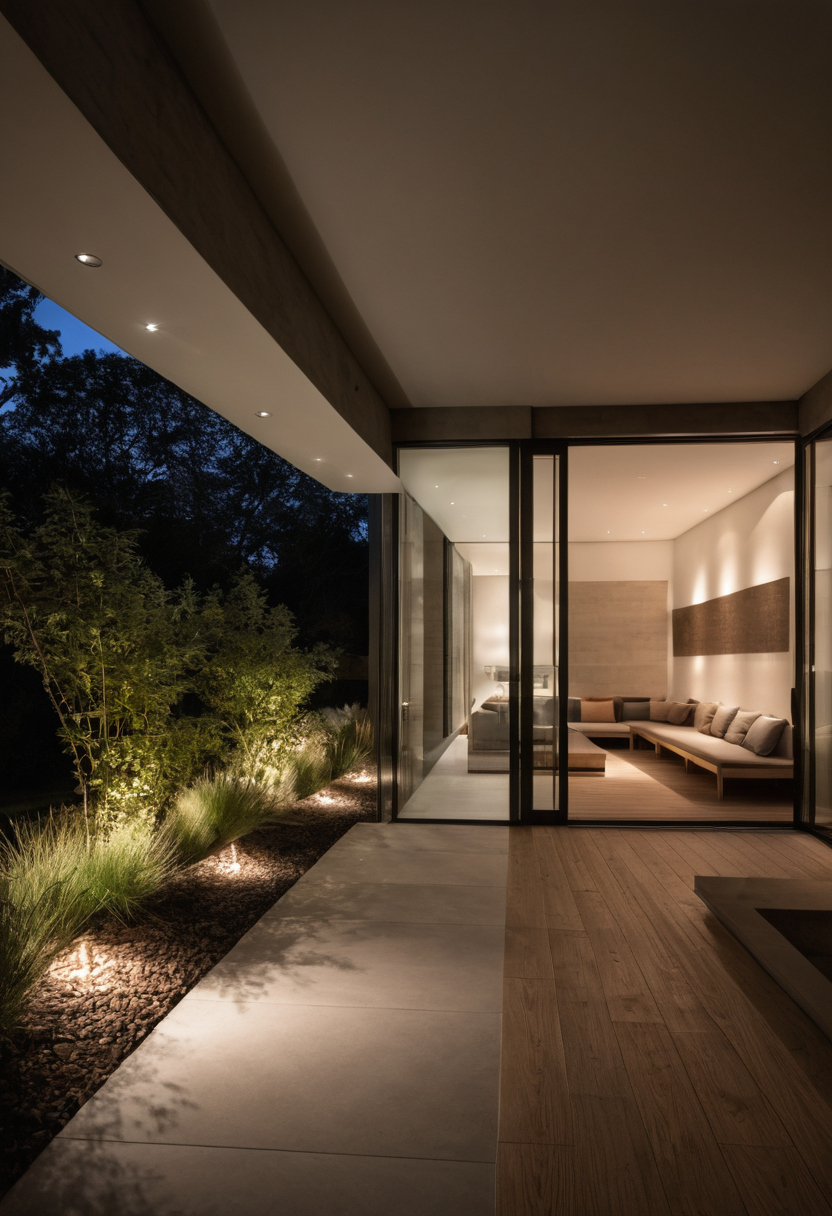
The villa façade should be lit as a backdrop, not a billboard shown with floor, wall, and fixture relationships visible.
- Risk: lighting every column equally can flatten the architecture and hide the entry.
- Risk: bright uplight near glass can reflect into bedrooms, balconies, and neighboring homes.
- Risk: color-changing scenes can age quickly and may conflict with glare or spill control.
- Risk: refinishing entry-adjacent interiors without ventilation can affect indoor air quality, since the U.S. Environmental Protection Agency identifies paints, varnishes, cleaning products, building materials, and furnishings as common indoor VOC sources.
Uplights, grazers, and wall lights need shielding before they need more power
Fixture selection should start with beam angle, louvers, shields, aiming adjustability, and service access, not wattage. A nighttime mockup on the actual wall material will show whether the beam reveals texture or exposes the lamp.
What outdoor fixtures work for villa entries, paths, steps, and patio zones?
The best exterior fixture matches exposure, beam control, mounting surface, maintenance access, and the task being lit. Water, heat, insects, corrosion, glare, and cleaning routines quickly expose weak choices.
A fixture checklist should cover IP rating, corrosion resistance, beam control, and serviceability
- Exposure: specify stronger weather protection for open façades, in-ground uplights, irrigation beds, and wind-driven rain.
- Climate: salt, humidity, heat, dust, freezing risk, and overspray should influence materials, fasteners, gaskets, and warranties.
- Mounting surface: check fixing into stone paving, render, timber ceilings, concrete steps, or metal posts before ordering.
- Access: allow room to clean lenses, replace drivers, reseal gaskets, and adjust aim after planting matures.
Glare control is different for bollards, step lights, wall sconces, and recessed fixtures
Bollards need shielded heads, step lights need asymmetric beams across the tread, wall sconces need cutoffs, and recessed downlights need deep-set lamps or baffles. Visible LED dots, hot spots on polished stone, and light aimed into seated eyes make expensive fixtures feel cheap.
Accessible circulation also affects placement. The 2010 ADA Standards for Accessible Design specify a 30 by 48 inch clear floor or ground space for wheelchair positioning, a useful check near doors, gates, and outdoor dining edges. For natural stone, the Natural Stone Institute recommends neutral cleaners, stone soap, or mild dishwashing detergent with warm water.
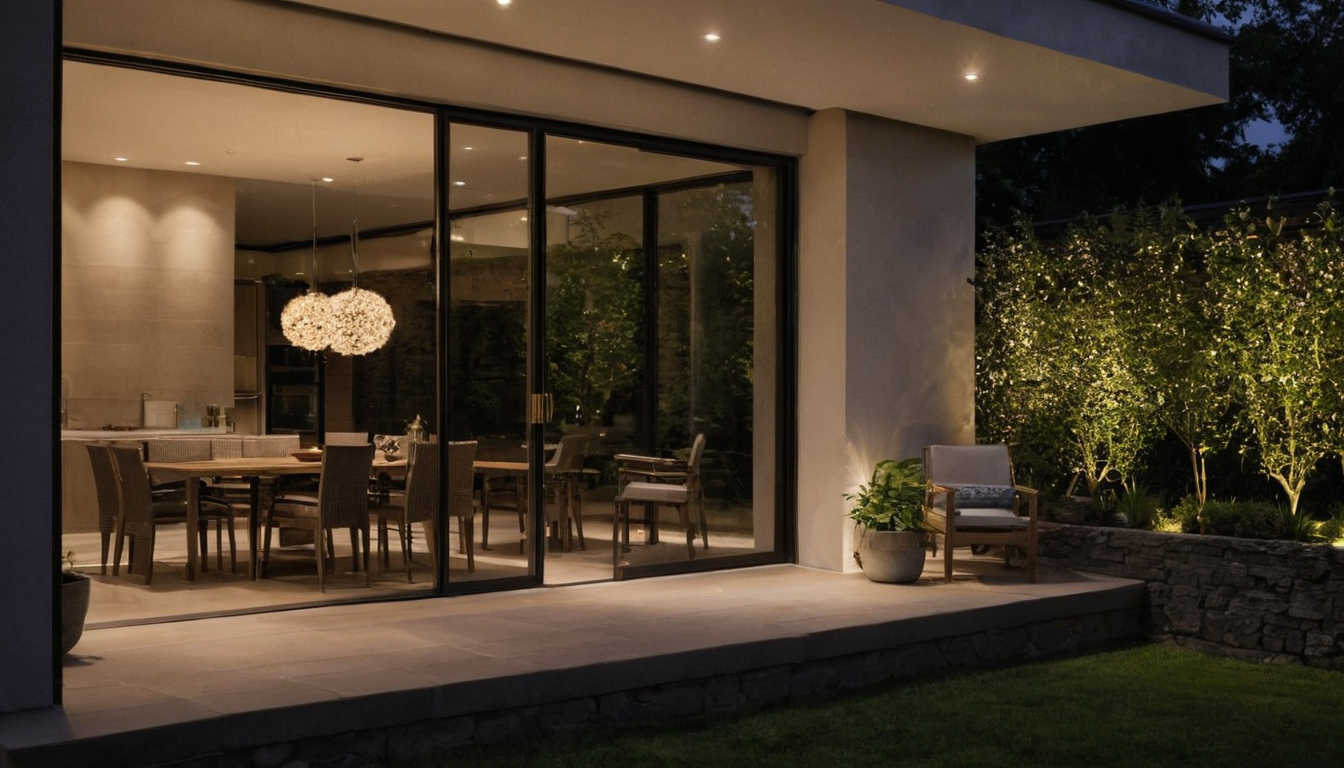
Patio lighting should support dining, circulation, and views back into the villa
Patio lighting should be layered at lower brightness than the entry so guests can eat, move safely, and see the villa interior without feeling exposed. Covered patios, terraces, pool routes, and outdoor kitchens each need task, circulation, and background light.
Dining areas need flattering light without blocking views to the garden or interior
The dining table needs a defined pool of warm, dimmable light, not a floodlit patio. A covered ceiling, pergola beam, or wall bracket can carry the main source, but the fixture should sit outside key sightlines to the garden, pool, living room, and façade.
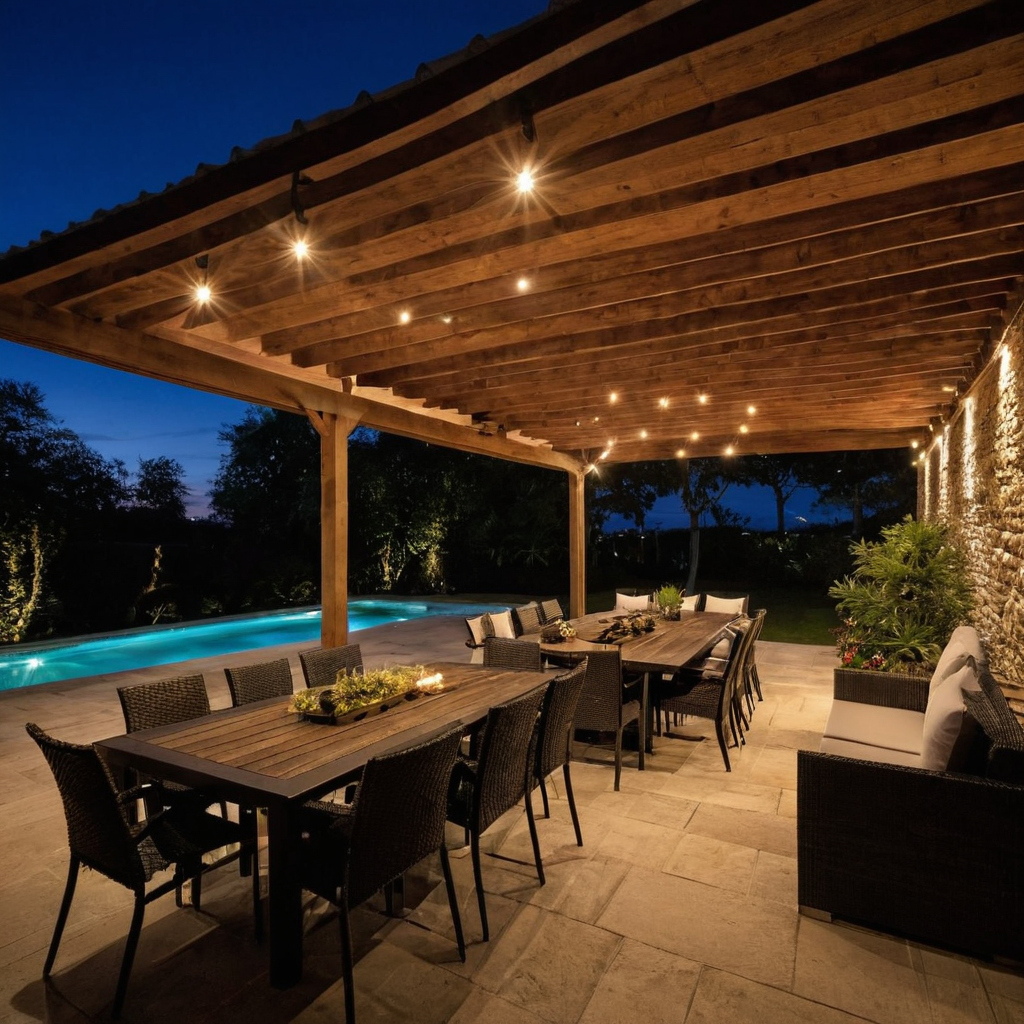
Patio lighting should support dining, circulation, and views back into the villa shown as an editorial reference for proportion and finish coordination.
Outdoor-rated pendants work only when wind, ceiling height, and access support them. Where pendants will sway, corrode, or interrupt views, use shielded downlights, concealed pergola light, or a soft wall wash behind the dining zone.
Path and step lighting should solve safety without making the patio look commercial
Circulation lighting should mark thresholds, level changes, pool edges, planter returns, and outdoor kitchen routes without turning the patio into a corridor. Recessed step lights, shielded low bollards, under-bench lighting, and concealed light below raised planters usually feel more residential than exposed high-output fittings.
Which control scenes keep exterior and interior lighting coherent after sunset?
A villa needs scenes because the same fixtures should not run at the same level for arrival, dinner, security, late-night movement, and maintenance. Scene planning works best when exterior circuits, interior ambient lighting, landscape accents, and façade lighting are commissioned together.
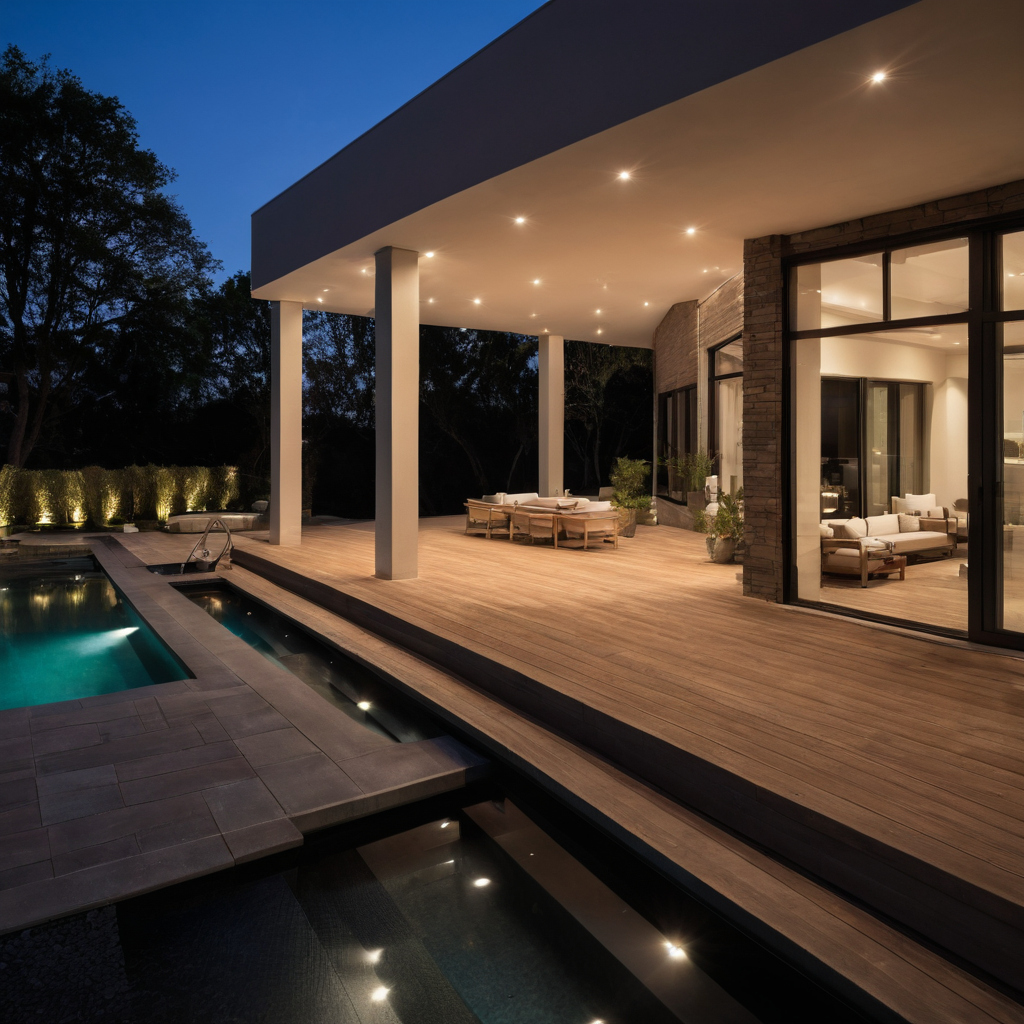
Which control scenes keep exterior and interior lighting coherent after sunset shown as an editorial reference for proportion and finish coordination.
Arrival, entertaining, security, late-night, and maintenance scenes should have different brightness hierarchies
- Arrival: entry and path lead, façade stays lower, foyer glows through glass.
- Entertaining: patio dining and lounge become primary, while driveway and security lighting drop back.
- Security: cameras need visibility without lens flare from uplights or wall lights.
- Late night: step, path, and corridor lighting guide movement at low output.
- Maintenance: service lighting runs brighter for cleaning, relamping, and inspection.
Warm color temperature and dimming consistency prevent the exterior from fighting the interior
Exterior and interior LEDs should share a compatible warm range, dimming protocol, driver quality, and transformer plan so fixtures do not flicker, buzz, pop on, or fade at different speeds. Coordinate this before conduits, waterproofing, cladding, and planting close the walls and ground.
What installation sequence prevents lighting conflicts with façade, drainage, waterproofing, and landscape work?
Villa lighting should be coordinated before finishes are closed because conduits, drivers, junction boxes, waterproofing, cladding, paving, irrigation, and planting all affect fixture placement.
Conduits and junction boxes should be placed before cladding, paving, and waterproofing are finalized
Electrical drawings, façade elevations, reflected ceiling plans, landscape plans, drainage falls, and waterproofing details should be reviewed together before rough-in. Conduit routes should avoid membranes, reinforcement, irrigation lines, and drainage channels. Drivers, transformers, junction boxes, access panels, and keypads need reachable locations.
A nighttime mockup should happen before final aiming and scene programming
A nighttime mockup should test beam angles, glare, color temperature, reflections, and brightness hierarchy before final aiming. The team should approve scenes after sunset, label circuits, save dimming levels, document maintenance settings, and order long-lead exterior-rated fixtures before the site becomes difficult to reopen.
FAQ
What is the rule of thumb for outdoor lighting around a villa?
Use the lowest practical light level, aim it only where needed, and make the entry brighter than the façade, paths, and landscape accents.
What lighting is best for a villa patio used for dining and entertaining?
Use warm, dimmable dining light, low circulation light, and concealed or shielded accent light so guests can see food, faces, steps, and views without glare.
What are the most practical trends in villa façade lighting after sunset?
The most practical trends are restrained wall grazing, concealed linear light, warm color, shielded optics, and façade scenes that support the entry rather than overpower it.